
 INTERIOR FIT - OUT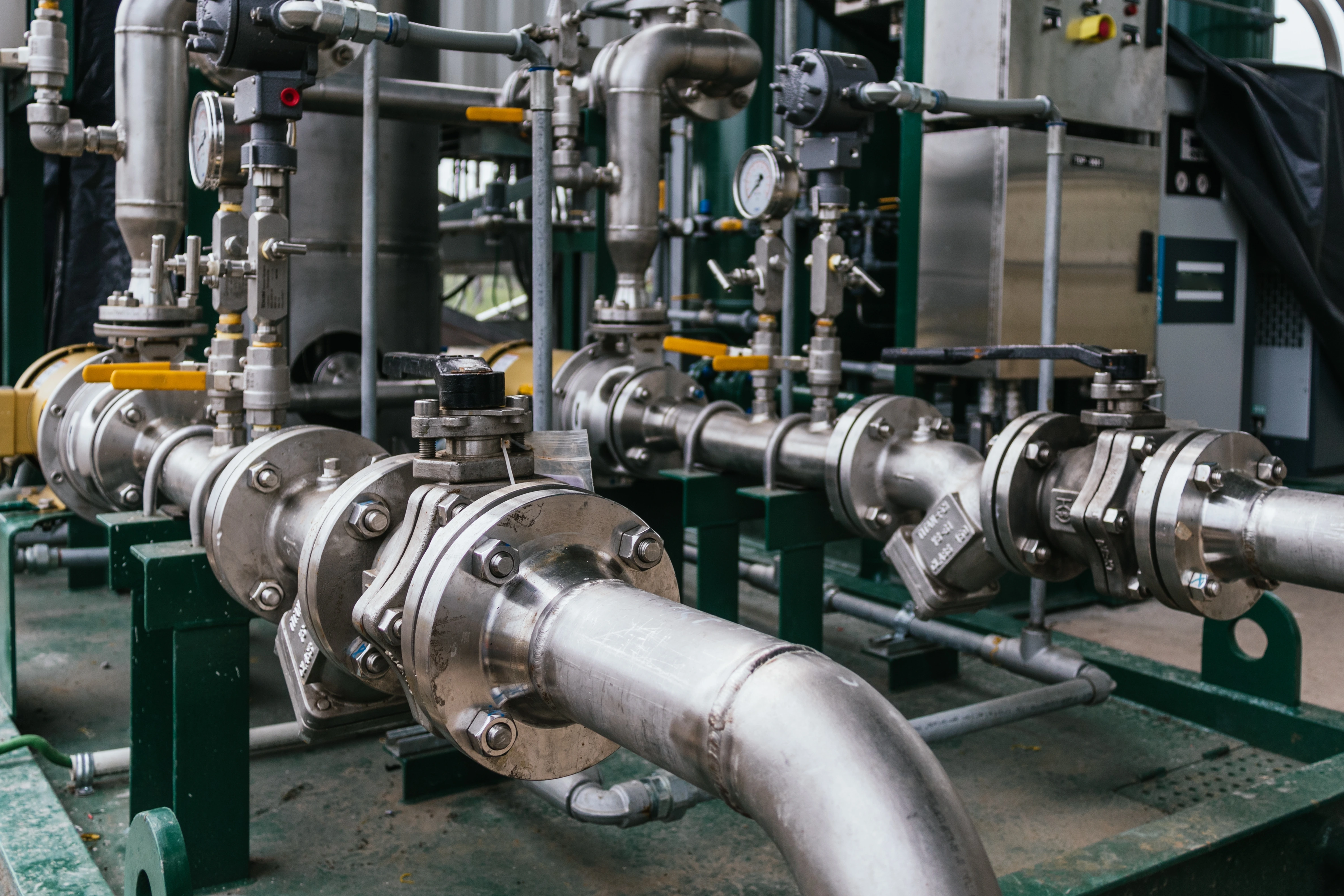
The new kitchen looked perfect. The marble was polished, the lighting was warm, and the family had just moved back in. Three weeks later, a damp patch appeared on the ceiling below the upstairs bathroom.
The tiles were not the problem. The old pipework behind them was.
Ask any MEP contractor in Dubai what they see most often on villa renovation sites, and the answer is rarely a design problem. It is a budget spent on the surface while the pipes, wiring and AC behind it were never checked. Here is what contractors wish owners understood before the first quote.
What Is MEP in a Villa Renovation, and Why Does It Come First?
MEP stands for mechanical, electrical, and plumbing. These are the systems that cool, power, and supply water to your home. In a renovation, MEP works cover the design, installation, upgrade, and testing of all three, and they must be completed before ceilings are closed, walls are finished, or floors are laid.
Think of MEP as the skeleton of the villa and interior design as the skin. If you change the skeleton after the skin is done, you pay twice. A good MEP contracting company plans these systems around your new layout from day one, not after the design is approved.
One thing to know early: a quote that is far lower than the others usually reflects reduced scope, lower-grade materials, or skipped testing, not a better deal. Ask what each quote includes before you compare the totals.
The Three Systems Behind Your Walls
That means:
Mechanical: cooling, ventilation and air quality
In Dubai, mechanical mostly means air conditioning. A villa that has been extended or opened up into a larger living space often has ducting and units sized for the old layout.
A mechanical scope usually includes:
- Checking cooling load against the new floor plan
- Replacing or relocating AC units, ducts and diffusers
- Fixing airflow problems such as rooms that never cool properly
- Adding kitchen exhaust and bathroom ventilation that meet current standards
Many homeowners assume a bigger AC unit fixes a hot room. Often the real cause is poor duct routing or missing insulation, and a bigger unit just raises your DEWA bill.
Electrical: load, safety and smart-ready wiring
Villas built 15 to 20 years ago were wired for fewer appliances and no EV charger. A renovation that adds an island kitchen, a home cinema or a pool pump can overload an old distribution board quickly.
Typical electrical work covers:
- Distribution board upgrades with proper circuit protection
- Rewiring for new lighting plans, including dimmable and layered lighting
- Power points placed for how you actually live
- Provisions for smart home controls and EV charging
- Earthing checks and load calculations
Plumbing and drainage: the leak you never want to find
Plumbing in a renovation covers water supply, drainage, hot water, and any new bathrooms, kitchens or laundry areas. Old corroded lines are best replaced while walls are already open, because reaching them later costs more than the pipe itself.
Water tanks, pumps and drainage slopes also deserve a look, especially in villas with older roof tanks or ground-level extensions.
Fire, safety and low current systems
MEP contractors also handle fire alarm integration, CCTV cabling, data points and intercoms. These are often missed in early budgets and then added expensively at the end.
What Contractors Notice in the First Ten Minutes of a Villa Visit
You do not need to wait for a failure. Experienced contractors read the warning signs quickly:
- AC units that run constantly but leave some rooms warm
- Breakers that trip when two appliances run together
- Water pressure that drops when someone showers
- Musty smells, stains or bubbling paint near wet areas
- Switches or sockets that feel warm or discolour
- Electricity bills that keep rising without a change in usage
If two or more apply to your home, ask for an MEP survey before you hire a designer. It shapes both the design and the budget.
What Decides Your MEP Cost and Timeline in Dubai
Anyone quoting a flat price before seeing your villa is guessing. These are the real factors.
Size and layout. Built-up area, number of floors and the distance between service points all affect pipe, cable and duct quantities.
Age and condition of existing systems. Newer villas may only need modifications. Older ones often need full replacement, and you will not know until a survey is done or walls are opened.
Scope of the renovation. A cosmetic refresh touches little MEP. Moving a kitchen, adding a bathroom or building an extension changes everything.
Equipment choices. Inverter AC units, efficient lighting and water-saving fixtures cost more upfront but reduce running costs in a climate where cooling runs most of the year.
Approvals and community rules. Depending on the work and your community, you may need NOCs from the developer or master community, and approvals from authorities such as DEWA or Dubai Civil Defence for certain installations. Ask your contractor who handles this and how long it usually takes.
Coordination with other trades. When MEP, carpentry, false ceilings and finishing are run by different companies, delays and rework multiply. That is why many owners prefer a single partner for the whole project.
Three Villa Scenarios and How the MEP Scope Changes
These are typical situations rather than specific client projects, but they reflect what contractors in Dubai see often.
The open-plan conversion. An owner removes a wall between the kitchen and majlis. The old AC duct now serves a room twice the size. The fix is a redesigned duct layout and an extra zone, planned before the ceiling is dropped.
The pre-sale refresh. An investor wants to sell a 12-year-old villa. A cosmetic update looks good in photos, but a buyer's inspector flags the old distribution board and tired water heaters. A targeted MEP upgrade protects the sale price and avoids last-minute negotiation.
The rental turnaround. A landlord renovating between tenants focuses on durable plumbing fixtures, accessible shut-off valves, and efficient AC. Fewer maintenance calls mean better net returns.
The same logic applies to office renovation in Dubai. Offices carry higher electrical loads, more data cabling, and stricter ventilation needs, so MEP planning should be locked in before partitions and ceilings are designed.
How to Choose Among MEP Contractors in Dubai
Anyone can say they are experienced. Ask for proof.
- A valid trade licence for MEP activities in Dubai
- Qualified in-house engineers, not only subcontracted labour
- Experience with villas similar to yours, with photos or references
- A written scope that separates design, materials, labour and testing
- Clear handling of authority approvals and community NOCs
- Testing and commissioning reports at handover
- Warranty terms and after-handover support in writing
If you are comparing MEP companies in the UAE, also ask whether they can manage the full renovation. A team that handles interior fit-out, joinery, and MEP together removes the coordination gaps that cause most delays.
Plan the Hidden Work Before the Visible Work
A renovation succeeds or fails on what is behind the walls. If you are planning a villa or office upgrade in Dubai, start with a proper MEP assessment, then design around it.
Wall to Wall Interiors and Contracting LLC handles MEP works, interior fit-out, carpentry and joinery, and project management as one team. Visit our MEP companies service page to see how we work, or contact us to book a site visit and get a scope you can actually compare.