
 INTERIOR FIT - OUT
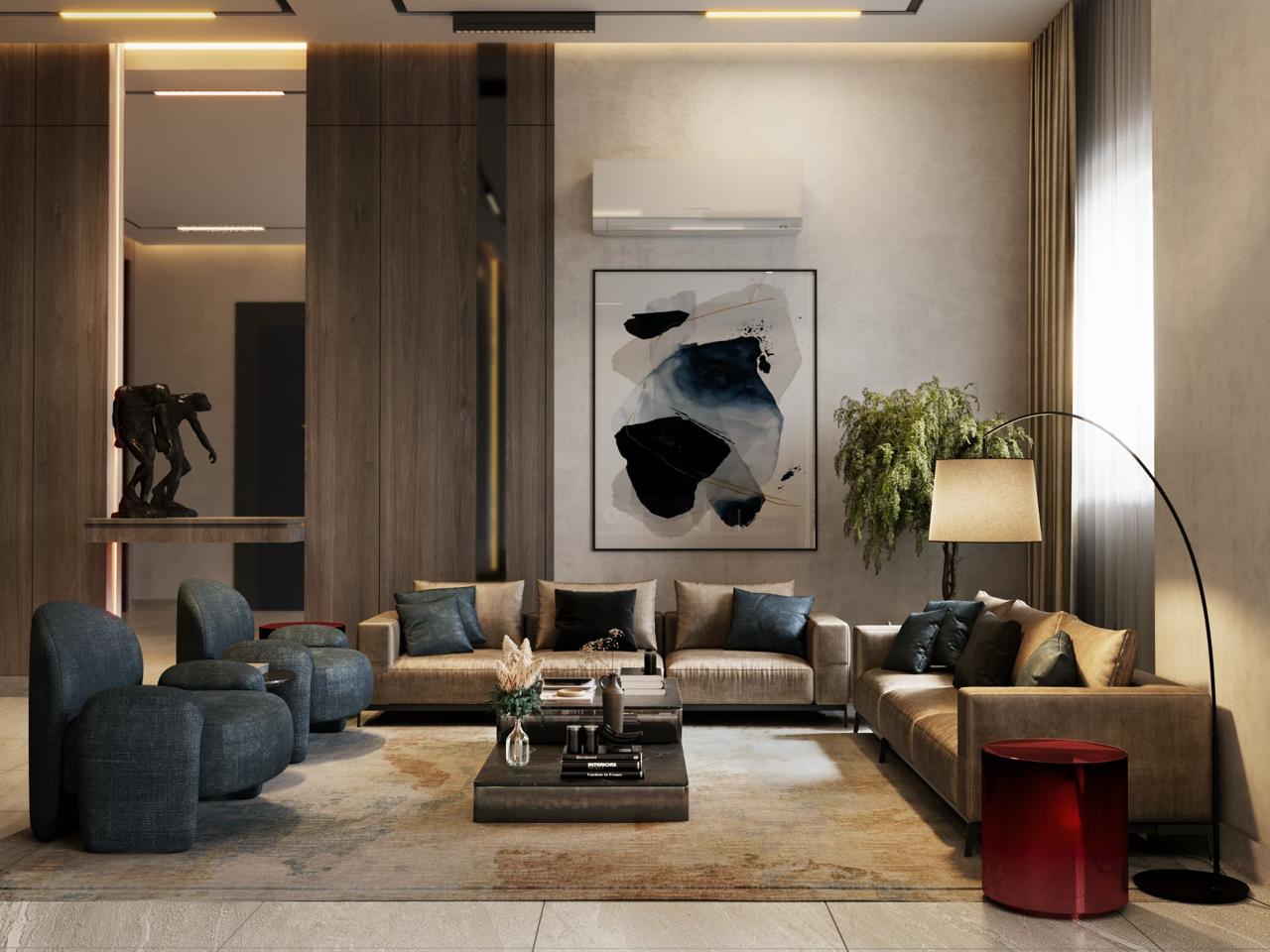
Walk into a well-finished villa in Dubai, and you rarely notice the design first. You notice that the living room stays cool at 3 pm in July, the light is soft without making the room dull, and the wardrobe doors still close properly after two summers. None of that is luck. It comes from decisions made months before the first sofa was chosen.
Interior designers in Dubai work with extreme heat, strong sunlight, community regulations, and clients who expect high-end results. This guide covers the practices that separate a room that photographs well from one that still looks good five years later. If you are renovating a villa, planning a new interior or fitting out an office, these are worth knowing before you hire anyone.
Secret 1: Start With the Floor Plan, Not the Mood Board
Most renovation regrets trace back to layout, not colour. Good designers spend the first stage on how people actually move through a space. Finishes come later.
Before you look at a single sample, check these:
- How you walk from the front door to the kitchen, and whether you cross the living area to get there
- Where the afternoon sun lands in your main rooms
- Which walls can open up and which are load bearing
- Where storage is missing today, such as the entry, laundry or children's belongings
A clear plan also makes quotes easier to compare, because every contractor is pricing the same scope.
Secret 2: Design for Dubai's Climate First
A material that looks good in a showroom can behave badly in a villa that runs air conditioning for most of the year. Designers who work here choose finishes with that in mind.
Choose materials that cope with heat and humidity
- Flooring and panelling: Engineered timber generally moves less than solid wood when the AC cycles on and off.
- Terraces and outdoor areas: Porcelain slabs and dense stone handle sun and pool splash better than polished marble, which turns slippery and can etch.
- Kitchens, bathrooms and laundry: Moisture-resistant boards and sealed edges in joinery help prevent swelling.
Manage glare before you decorate
Floor-to-ceiling glass looks impressive and can be punishing by mid-afternoon. Designers often pair sheer curtains with blackout layers, and look at external shading for west-facing walls. A room that is too bright to sit in will not feel luxurious, however expensive the furniture.
Secret 3: Layer the Lighting
Lighting is often where luxury interior design in Dubai is won or lost. Designers plan three layers:
- Ambient: soft general light, usually from recessed or cove fittings
- Task: reading lights, under-cabinet strips, kitchen worktops
- Accent: wall washers, picture lights, niche lighting
Warm light around 2700K to 3000K suits living rooms and bedrooms, and dimmers let one room serve several moods. One detail matters more than the fittings themselves: switch positions and light points must be fixed before the ceiling is closed. Adding a circuit afterwards means breaking finished work.
Secret 4: Spend on What You Touch Every Day
Designers often tell clients to put the budget into built-in elements and save on items that are easy to swap. Carpentry and joinery sits at the top of that list: wardrobes, kitchen cabinets, doors, vanities and wall panelling. Hinges, drawer runners and edge finishing decide how a piece feels in year three.
Loose furniture, cushions and décor can be upgraded gradually. A badly built wardrobe cannot.
Secret 5: Coordinate MEP Before Anything Looks Pretty
MEP works (mechanical, electrical, and plumbing) are invisible when done well, so they rarely appear on inspiration boards. In a villa renovation, they shape everything: where ceiling drops go, how AC ducts are routed, where drainage can run, and whether smart home wiring is in place.
Sequence matters. First-fix MEP happens before joinery and finishes, and the drawings must agree with each other. A clash between a ceiling design and an AC duct is far cheaper to solve on paper than on site.
Secret 6: Treat Approvals as Part of the Design
Renovation in Dubai is not only a design exercise. Changes to a villa's structure, façade or services commonly need a no-objection certificate (NOC) from the community developer and, depending on the work, a permit from the relevant authority such as Dubai Municipality. Offices, shops and restaurants carry their own fire safety and licensing requirements.
Rules vary by community and project, so confirm them with the developer and authority before the design is finalised. A design that cannot be approved is just a drawing.
Matching the Design to Your Property
The same principles apply differently depending on what you are doing.
Villa owners upgrading an older home
Start with the building's bones: plumbing, electrical load, AC capacity and waterproofing. Cosmetic updates over ageing services tend to need redoing. Many owners phase the work, but it helps to design the whole house first so each phase fits the next. Outdoor areas deserve the same planning. Landscaping, shading and exterior lighting work best when they are designed alongside the interior, so terrace doors, levels and drainage line up.
Investors preparing a villa for resale or rental
Choose neutral palettes, hardwearing finishes and simple, well-made joinery. The aim is broad appeal and low maintenance rather than personal taste. Buyers and tenants notice kitchens, bathrooms, flooring and lighting first, so that is where money usually earns its keep.
Business owners fitting out offices, shops, and restaurants
Layout drives productivity or sales. Plan customer flow, back-of-house areas, acoustics, and branding together, and build approval time into your opening date.
Interior Designer or Interior Fit Out Company in Dubai?
A designer produces the concept, layouts, and specifications. An interior fit out company in Dubai builds them: construction, MEP, joinery, finishes, approvals, and handover. If you hire the two separately, you coordinate both and carry the risk when they disagree.
A turnkey fit-out company covers design and execution under one contract and one project manager. That makes it clear who is responsible for cost, timeline, and quality. You can see how this works on our interior fit-out services page.
How to Choose the Best Interior Design Company in Dubai
Ask questions that show how a firm actually works:
- Can you show completed projects similar to mine in Dubai?
- Who manages the site day-to-day, and how often will I get updates?
- Is the quote itemised, and what is excluded?
- Which approvals have you handled for this community or building type?
- What warranty or defects period applies after handover?
Be cautious with unusually low quotes, vague scopes, portfolios you cannot verify and firms that cannot explain their approvals process.
Plan the Budget in Four Parts
A realistic budget separates design fees, construction and fit-out, furniture and décor, and a contingency. Many contractors suggest holding back roughly 10 to 15 percent for contingency, especially in older villas where hidden issues appear once walls are opened. Ask every bidder to price against the same written scope so the numbers can be compared fairly.
Ready to Plan Your Space?
Wall to Wall Interiors and Contracting LLC handles interior fit-out, villa and office renovation, carpentry and joinery, MEP works, project management, and landscaping under one team. Tell us about your property, and we will walk you through the scope, approvals, and timelines.
Book a consultation or browse our completed projects for ideas.